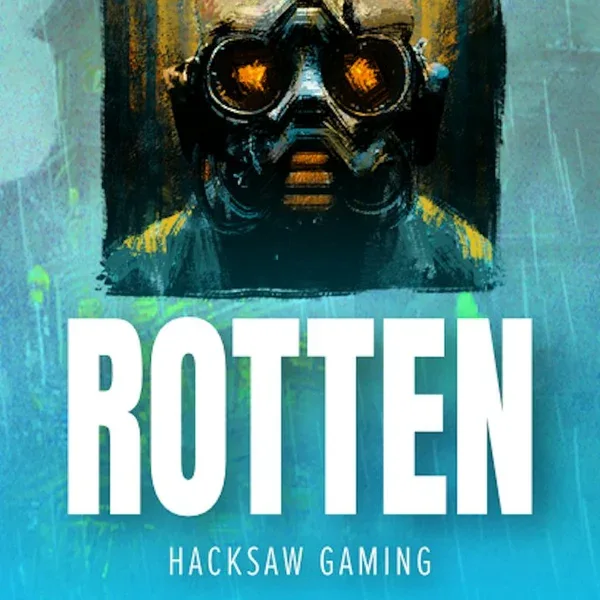
Rotten puts a symbol-conversion feature at the centre of its zombie-fairground setting. A Switch scatter does not simply award a payout or a fixed bundle of free spins: it selects symbol types for replacement, then gives the reels a short series of respins in which those choices can reshape the board. Two separate scatter bonuses make that process more likely to matter, but they treat the converted symbols differently. The result is a slot whose most useful question is not only what landed, but which symbols have already been changed and whether those changes will survive the next feature step.
Rotten at a glance
| Provider | Hacksaw Gaming |
|---|---|
| Genre / theme | Horror |
| Game type | Video slot |
| Reels / grid | 6 reels × 5 rows |
| Reference RTP | 96.27% |
| Payout mechanic | 35 fixed paylines |
| Maximum win | 10,000× bet |
| Main features | Switch scatters start 1–10 respins that upgrade selected symbols; Mad Scientist and Total Takeover each award 10 free spins, with persistent upgrades in Total Takeover. |
RTP and stake limits can vary by version and market. Check the information screen in the game you open. Maximum win is a ceiling, not an expected result.
A six-reel base game with a transformation trigger
The published layout is six reels by five rows with 35 fixed paylines. Matching symbols pay from left to right beginning on reel one, with three through six matches listed as possible combinations. That gives an ordinary spin a conventional line-reading rule, even though the screen is unusually broad. The Switch symbol adds the less conventional layer: when it appears, the game selects symbols and replaces them with either its highest-paying zombie or a Wild. The transformed types are displayed above the grid, so the feature gives the player a visible record of what the respins are working toward.
A Switch scatter awards between one and ten respins. Another Switch during that feature can add symbol types to the replacement selection and award further respins, extending the same conversion idea rather than changing to a wholly separate mini-game. The replacement symbols can create line combinations, but the feature does not guarantee a win: selection, position and the later reel result still matter. The available descriptions do not publish the probabilities for a Switch, each replacement choice or a useful line, so the count of selected symbol types should not be read as a forecast of the payout.
Two bonuses change how upgrades persist
Three Mad Scientist scatters award ten free spins. Switch scatters are more likely during this round, giving the conversion system more opportunities to start. The upgrades are temporary here: at the end of a SwitchSpins sequence, replaced symbols return to their ordinary state. Mad Scientist can also lead into Total Takeover if three of that bonus’s scatters land during the feature. That second mode starts its own ten-spin round after the current free spin resolves.
Total Takeover also raises the chance of Switch scatters, but its defining change is persistence. Symbol types selected by SwitchSpins remain saved progressively for the duration of the bonus instead of resetting when a respin sequence ends. If enough types are gathered, the pool can cover the grid with the top-paying zombie or Wild symbols. Three Total Takeover scatters during that mode add four spins. This creates a clear interaction: more Switch events can build a lasting set of upgrades, while the Mad Scientist round provides extra opportunities without keeping those changes between sequences. Neither rule establishes how often a full collection is completed.
Published settings and practical limits
One review lists a 96.27% RTP, a 10,000× maximum, and the 6-by-5, 35-payline layout. Treat the return as a published configuration rather than a promise that every casino uses it; check the information panel for the loaded version. A consistent volatility figure was not established in the sources reviewed here. The 10,000× number describes the ceiling only. Public descriptions explain conversion rules but do not give the frequency of bonus triggers, Switch selections or completed symbol collections, which leaves the feature’s typical length and payout distribution unclear.
Strengths and weak points
Strengths
The two bonuses give symbol conversion distinct jobs: one offers more Switch chances, while the other banks selected upgrades and makes persistence part of the actual rule set.
Weaknesses
The feature’s outcome depends on random symbol selection and later line formation, yet the reviewed rules give no trigger or completion frequencies for judging how often a collection develops.
Our Editor’s View
Rotten has a coherent central mechanic because the upgrade step changes the symbols available to subsequent respins, and its two bonus modes make persistence—not just spin count—the important distinction. Mad Scientist is the more temporary version; Total Takeover can accumulate a broader pool and even add spins. That structure suits readers who like tracking a board state across repeated events. The missing frequency data matters, though: the source explains what a completed sequence can look like without showing how regularly the game reaches it.
Related slot reviews
Haunted House
Shared theme: Horror
Monster Mash Cash
Shared theme: Horror

Mummy Money
Shared theme: Horror